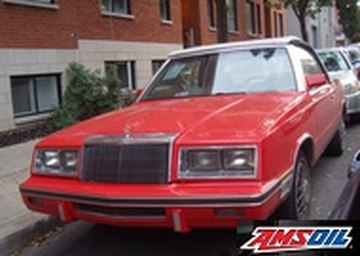
Maintenance Guidance for the 1984 Chrysler LEBARON 2.2L
Maintaining an older vehicle requires consistent attention to fluid levels and component health to ensure continued operation. For the 1984 Chrysler LEBARON with the 2.2L engine, focusing on the specific fluids listed for your application is a primary step in routine upkeep.
What transmission fluid does my 1984 Chrysler LEBARON 2.2L take?
The following products are listed for this vehicle: ATFPK-EA Signature Series Multi-Vehicle Synthetic Automatic Transmission Fluid and OTFQT-EA OE Multi-Vehicle Synthetic Automatic Transmission Fluid.
Engine Oil Viscosity Considerations
When performing oil changes on the 2.2L engine, it is important to use the viscosity grade specified for your application. For this vehicle, 5W-30 is the database-allowed viscosity. Using the correct weight helps maintain the intended lubrication characteristics within the engine components. Always check your owner's manual or manufacturer documentation to confirm current requirements and to ensure you are following the most recent service guidance provided by Chrysler.
Routine Fluid Inspection
Regularly checking fluid levels is a fundamental part of vehicle maintenance. For the 1984 Chrysler LEBARON, this includes monitoring engine oil and transmission fluids. Checking these levels while the vehicle is on level ground and at the temperatures suggested by the manufacturer can provide more accurate readings. If you notice significant drops in fluid levels between service intervals, it may indicate a leak or an issue that requires mechanical inspection.
Managing Engine Oil Service Intervals
The frequency of engine oil changes depends on various factors including driving habits and environmental conditions. Rather than following a generic timeline, you should follow the owner's manual or the manufacturer maintenance schedule for your specific 1984 Chrysler LEBARON. Adhering to these established intervals helps ensure that the 2.2L engine receives fresh lubrication and contaminants are removed regularly.
Observing Fluid Condition
Beyond just checking the quantity of fluids, observing their physical condition can provide useful information. Engine oil should be checked for unusual textures or heavy discoloration. Similarly, transmission fluid color and clarity are indicators of the fluid's current state. If you observe any changes in how these fluids appear, consult your maintenance documentation to determine if a service is necessary.
General Maintenance Awareness
For an auto-and-light-truck vehicle of this age, staying proactive with maintenance can prevent unexpected issues. This involves not only fluid management but also keeping an eye on the overall cleanliness of the engine bay and checking for signs of wear in various mechanical connections. Consistent attention to the manufacturer's suggested service points is the most reliable way to manage the longevity of the vehicle.
What engine air filter does my 1984 Chrysler LEBARON 2.2L need?
The following air filter is listed for this vehicle:
- WIX Air Filter: 42133-EA
What coolant does my 1984 Chrysler LEBARON 2.2L take?
The following products are listed for this vehicle:
- ANTPC1G-EA — Passenger Car & Light Truck Antifreeze & Coolant
- ANT1G-EA — Low Toxicity Antifreeze and Engine Coolant
When should I change the oil in my 1984 Chrysler LEBARON 2.2L?
To determine the correct oil change interval for this vehicle, follow the owner's manual or the manufacturer maintenance schedule.
What oil does my 1984 Chrysler LEBARON 2.2L take?
The following oils are listed for this vehicle:
- ASLQT-EA — Signature Series 5W-30 Synthetic Motor Oil
- XLFQT-EA — XL 5W-30 Synthetic Motor Oil
- OEFQT-EA — OE 5W-30 Synthetic Motor Oil
What oil filter does my 1984 Chrysler LEBARON 2.2L need?
The following oil filters are listed for this vehicle:
- EA15K51-EA — AMSOIL Ea Oil Filters
- 51348-EA — WIX Oil Filter
BUYING ENGINE OIL
When you are ready to purchase oil, look for the 5W-30 viscosity grade listed for your 1984 Chrysler LEBARON. Ensure that any product you select aligns with the specifications found in your owner's manual. Selecting products based on these documented requirements is a practical way to approach your maintenance needs.